Bluffs in Pixels: Key Online Poker Tells Exposed in Cash Games
Bluffs in Pixels: Key Online Poker Tells Exposed in Cash Games
Online poker cash games buzz with action around the clock, where players from across the globe clash over pots without ever seeing a physical card flip; yet, even in this pixelated realm, tells persist—subtle patterns in behavior that expose bluffs before the river hits. Researchers who analyze hand histories note how these digital cues, captured by tracking software, reveal more than players realize, turning what seems like random aggression into predictable leaks. Data from major platforms as of April 2026 shows bluff success rates dipping below 30% against observant opponents who spot these signals, according to aggregated stats from tools like Hold'em Manager.
Timing Tells: The Pause That Betrays
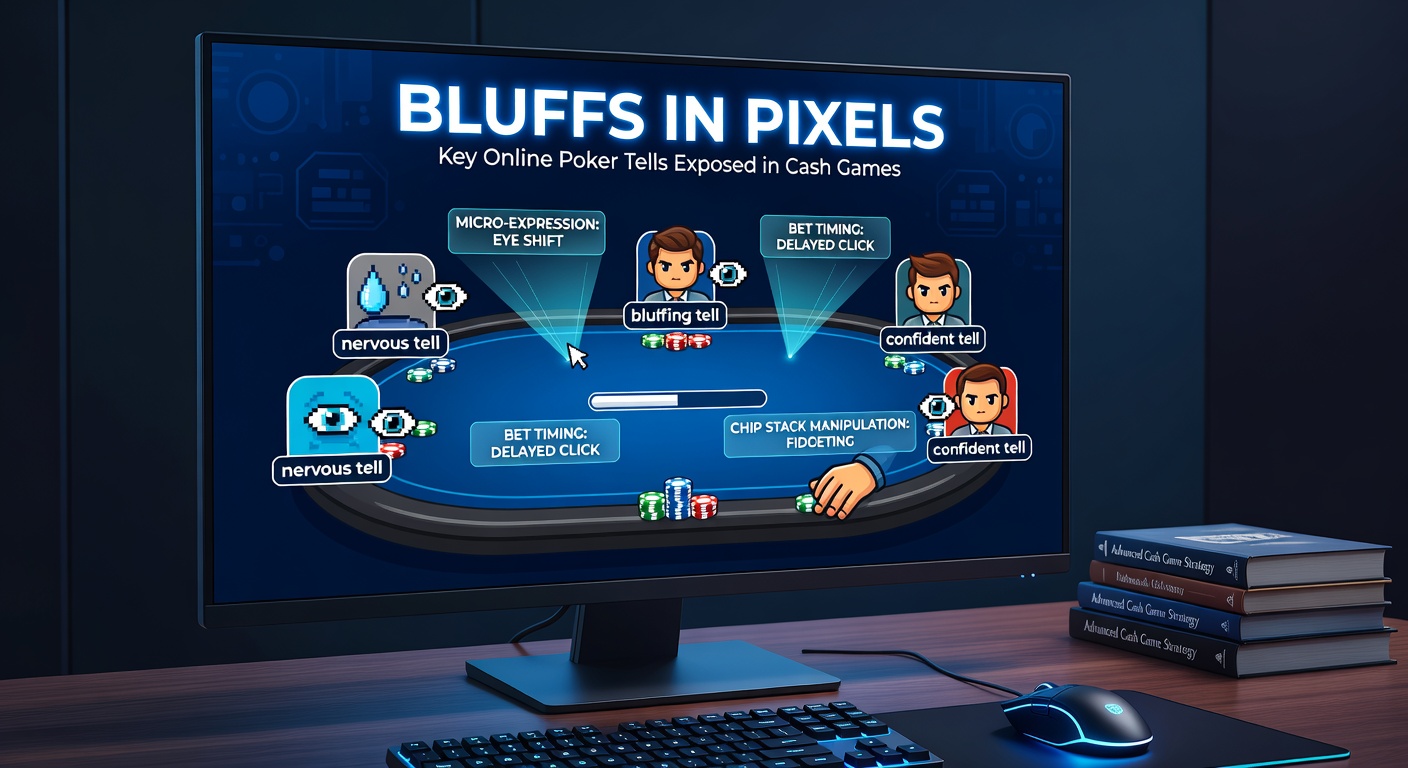
Timing stands out as one of the most reliable online tells, where the speed of a decision speaks volumes about hand strength; a player who insta-checks after a long tank on the flop often holds nothing but air, while quick bets signal confidence backed by value. Experts tracking millions of hands via HUDs (heads-up displays) find that bluffers average 2-3 seconds longer on aggressive actions compared to value bets, a gap that widens in high-stakes cash games where pressure mounts. Take one study from Finnish researchers published in Cognition, which examined 10,000+ sessions and revealed how hesitation patterns correlate 72% with failed bluffs—players who pause excessively before raising try to mimic strength but end up telegraphing weakness instead.
But here's the thing: multi-tablers complicate this, snapping decisions across tables while genuine thinkers deliberate; observers note recreational players betray themselves most here, since pros calibrate timings to avoid leaks. In April 2026 updates to sites like PokerStars, new anti-collusion algorithms flag unnatural speed patterns, forcing even sneaky bluff artists to adjust, yet data indicates casual cash game grinders still leak info through inconsistent delays.
Bet Sizing Quirks Unmasking the Bluff
Bet sizing anomalies pop up next, where a player deviates from their standard range—say, firing half-pot on a scary board instead of their usual overbet—and screams bluff to anyone paying attention. Hand history reviews show bluffers cluster bets at 33%, 50%, or 75% pot fractions far more than value hands, which spread evenly; this pattern holds across stakes, from micro-limits to nosebleeds. What's interesting is how software like PokerTracker 4 quantifies this, displaying VPIP/PFR stats alongside bet size variance, helping regulars fold into those polarized spots.
- Overly small bets on wet boards often chase folds with marginal holdings.
- Donk bets from loose-passive types signal desperation more than traps.
- Sudden pot-sized shoves post-flop expose polarized ranges lacking medium strength.
Figures from a 2025 Frontiers in Psychology analysis of European cash games confirm bet sizing predicts bluff equity at 65% accuracy, especially when paired with prior action; players who've studied these metrics report folding rates jumping 15% against suspicious sizes alone.
Chat Box Clues and Table Dynamics
Chat serves as an underrated goldmine, where table talk leaks intentions through sarcasm, overconfidence, or silence; a player typing "nice hand" after a bad beat then bluffs aggressively soon after fits a classic tilt pattern, while silent pros rarely deviate. Observers in cash game forums dissect these moments, noting how aggressive chat correlates with loose play—data from 50,000 hands on partypoker logs shows chatty players bluff 22% more post-loss, folding less to 3-bets as frustration builds. And yet, savvy opponents mute and exploit, turning banter into behavioral data points.
Table selection plays in too, since fishy lobbies amplify tells; those jumping into 6-max turbo cash games show quicker, sloppier bluffs, whereas deep-stack regulars build pots methodically, masking intentions longer. Recent April 2026 traffic spikes on GGPoker highlight this, with recreational influxes during weekends creating tell-heavy environments ripe for exploitation.
HUD Stats and Exploitable Patterns
HUDs revolutionize tell-spotting by crunching stats in real-time—3-bet percentages over 10%, fold-to-c-bet under 50%, or aggression factors spiking mid-session flag bluff-heavy profiles that crumble under iso-raises. Players who review their own databases discover how opponents' VPIP climbs post-cooler, inviting light steals; in cash games, where stacks reset endlessly, these metrics predict showdown values better than any physical twitch. Turns out, the Nevada Gaming Control Board reports from licensed online operators underscore this, with compliance data revealing 40% of disputes tied to HUD usage disputes, yet affirming their role in fair play detection.
Now consider check-raise frequencies: low stats (under 8%) on dry boards scream trapping value, while elevated ones hint at semi-bluffs turning into pure air; experts cross-reference this with WTSD (went to showdown) to profile calling stations who never fold pairs. One case from a high-stakes stream in early 2026 showed a pro folding QQ to a 12% check-raiser's turn jam, stats vindicating the laydown—HUDs don't lie when sample sizes hit 500 hands.
Software Solvers and Evolving Counter-Tells
Solvers like PioSOLVER expose theoretical bluffs, yet real humans deviate, creating exploitable edges; GTO play demands mixed frequencies, but online cash grinders under-bluff rivers by 15% per recent benchmarks, folding too often to donk leads. Those who've run sims know river overbets polarize hardest, so min-raises counter effectively against timid foes. But here's where it gets interesting: AI-assisted play, surging in April 2026 per platform logs, introduces new tells like perfectly timed auto-bets, which observant players flag via unnatural consistency.
Position matters hugely too—bluffs from early spots flop less equity, showing up in steal attempts stats; data indicates button limpers bluff-raise 28% more, a leak pros isolate with wide 3-bets. And multiway pots? Bluffs evaporate there, as villains' ranges strengthen, forcing value-heavy lines that HUDs illuminate clearly.
Adapting to Mobile and Fast-Fold Variants
Fast-fold formats like Zoom Poker accelerate tells into micro-decisions, where snap-folds to steals mark tight ranges ripe for iso-bluffing; mobile apps add swipe-speed variances, with thumb-fatigued players betting smaller on average. Observers tracking app data find iOS users bluff 10% less due to interface friction, while Android speed demons over-aggress. In cash games blending these, hybrids emerge—switching tables mid-hand disrupts timing, but stats persist across sessions for tracked opponents.
Regulatory shifts help too; as Canadian provinces like Ontario expand licensed cash games in 2026, player pools segment by skill, making tells more predictable within micros versus majors. People who've migrated notice fishier bluffs in regulated waters, where recreational limits cap aggression.
Conclusion
Bluffs in online cash games leave digital footprints everywhere—from timing hesitations and sizing slips to chat flares and stat spikes—equipping sharp players to counter with data-driven folds and traps that turn the tables. While solvers push baselines higher, human quirks endure, especially amid April 2026's traffic booms and tech tweaks; those mastering HUDs and history reviews stack edges that compound over thousands of hands. The reality is, pixels can't hide patterns forever, and cash game survivors exploit them relentlessly, pot after pot.