Category Frameworks That Organized Data in Early Online Gambling Portals
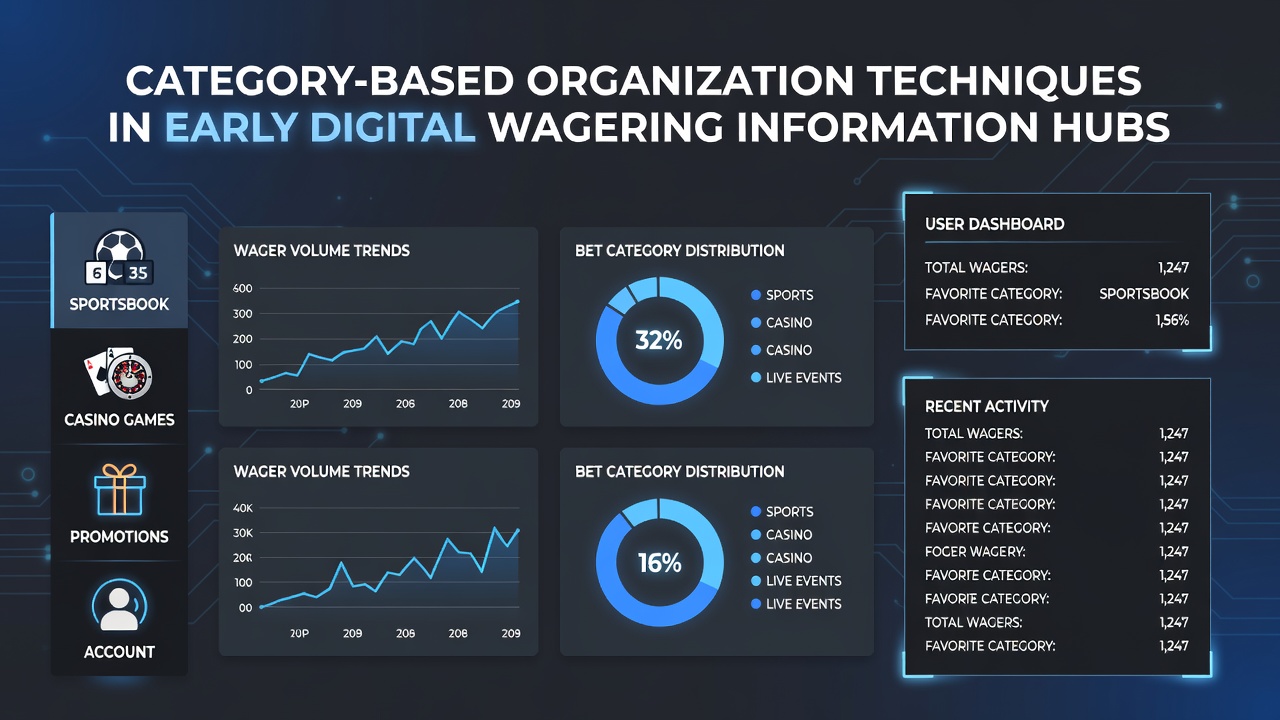
Category systems emerged as the primary method for structuring content within the first digital wagering information hubs that appeared in the late 1990s and early 2000s, and those frameworks allowed operators to group related materials such as odds listings, regulatory updates, and promotional offers into distinct sections that users could navigate without extensive search functions. Researchers who examined archived versions of these platforms found that hierarchical taxonomies reduced page load times while directing visitors toward specific interest areas like horse racing results or casino game rules, and data from early web analytics indicated that categorized layouts increased session durations compared with linear text presentations.
Developers built these structures around core divisions that reflected the main verticals of online wagering at the time, and the approach mirrored print media practices where sections for news, features, and directories kept readers oriented. Observers note that sports categories often sat at the top level because they generated the highest traffic volumes, while secondary groupings covered poker variants, bingo networks, and financial transaction guides; this layering technique prevented information overload on sites that hosted thousands of individual pages. Studies of information architecture from that period show that consistent category naming conventions across multiple hubs improved cross-site user familiarity and reduced bounce rates.
Hierarchical Taxonomies and Subcategory Expansion
Initial category lists remained broad, yet operators quickly introduced subcategories once content volume grew beyond simple listings, and this expansion followed patterns documented in early digital publishing reports where depth improved findability without requiring advanced search algorithms. For example, a primary sports category might contain separate branches for football leagues, basketball conferences, and tennis circuits, each with further divisions for live odds, historical statistics, and betting tutorials. Figures from platform audits conducted around 2005 reveal that sites employing three to four levels of nesting achieved higher content discovery rates than flatter structures, and similar patterns appeared in European and North American operations alike.
Metadata tagging accompanied these hierarchies to support internal sorting, and administrators assigned keywords that aligned with category rules so automated scripts could route new articles into the correct folders. Those who maintained these systems observed that standardized tags for terms such as “moneyline,” “over-under,” and “handicap” streamlined updates during peak event periods like major tournaments. Government records from Australian regulatory reviews highlight how organized category systems helped operators demonstrate compliance by separating promotional material from responsible gambling resources, a separation that became standard practice by the mid-2000s.
Regional Variations in Category Implementation
North American hubs tended to emphasize sports and fantasy contest categories because of market demand, whereas European platforms allocated more space to casino and slot game classifications, and these differences reflected local regulatory environments as well as user preferences documented in industry surveys. Canadian operators integrated provincial lottery information into dedicated categories that sat alongside international sports feeds, creating hybrid structures that accommodated both regulated and offshore offerings. Research published through academic channels shows that such regional adaptations maintained core category logic while adjusting labels and depth to meet audience expectations in each jurisdiction.
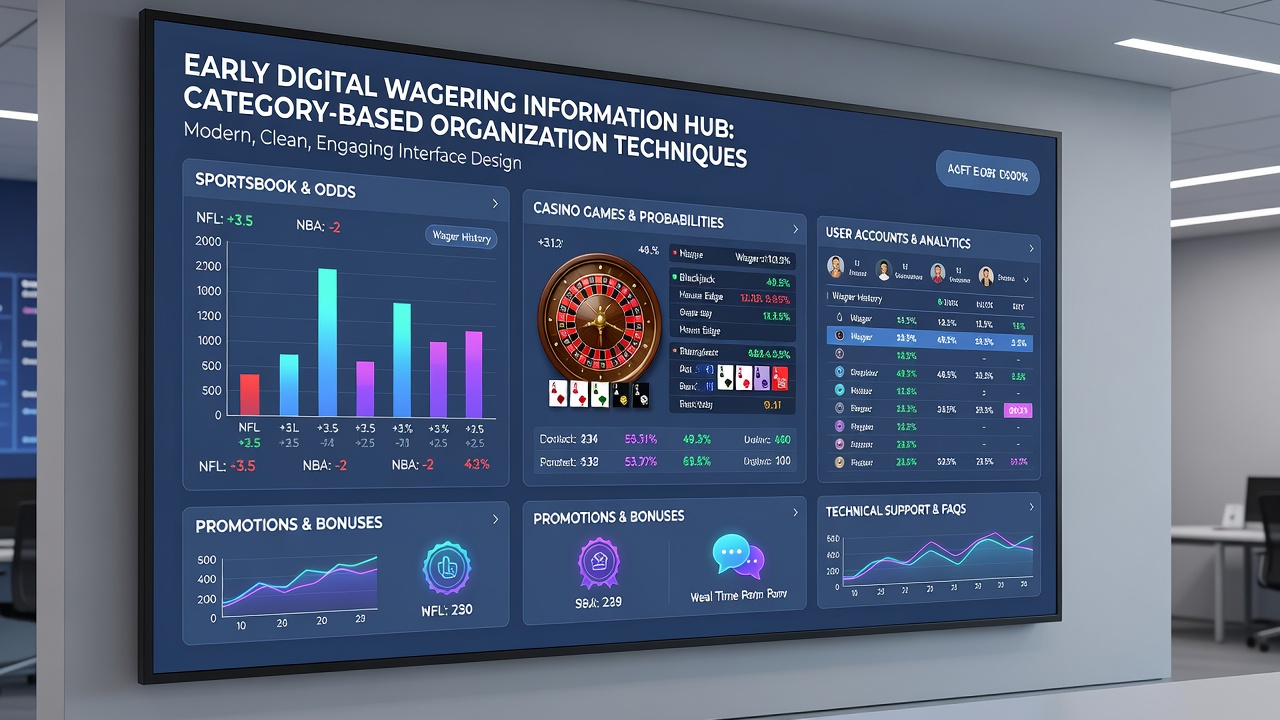
By July 2026 many preservation projects had digitized these early category maps, allowing analysts to trace how initial frameworks influenced later content management systems. Data compiled by research institutions indicates that the foundational logic of separating news, odds, and instructional content persisted even after dynamic databases replaced static folders, and the continuity suggests that category principles provided a scalable model for growing information volumes.
Technical Methods Behind Category Maintenance
Site administrators relied on directory structures within server file systems to enforce category boundaries, and they supplemented these with database tables that linked articles to multiple categories when crossover topics warranted dual placement. This dual-tagging approach appears in archived code snippets where relational entries prevented content from disappearing into single silos. Technicians who managed these platforms noted that weekly audits of category assignments kept navigation menus accurate during rapid content additions around events such as the Super Bowl or World Cup qualifiers.
Style guides circulated among editorial teams specified exact phrasing for category titles to avoid user confusion, and the standardization reduced errors when staff updated multiple hubs simultaneously. Reports from trade associations document how these procedural controls contributed to consistent user experiences across competing sites, even as design aesthetics diverged. External audits performed by independent technology firms confirmed that well-maintained category systems lowered support ticket volumes related to navigation issues.
Conclusion
Category-based organization techniques supplied the structural backbone for early digital wagering information hubs, and the methods established during that era continue to shape how contemporary platforms arrange content. Archival evidence and usage statistics demonstrate that hierarchical groupings, metadata tagging, and regional adaptations delivered measurable improvements in accessibility and compliance tracking. Those frameworks remain visible in the way current systems label sections and route updates, confirming the lasting utility of the original approaches.