Feed Subscriptions Shed Light on Poker Strategy Shifts in 2008 Online Casino Networks
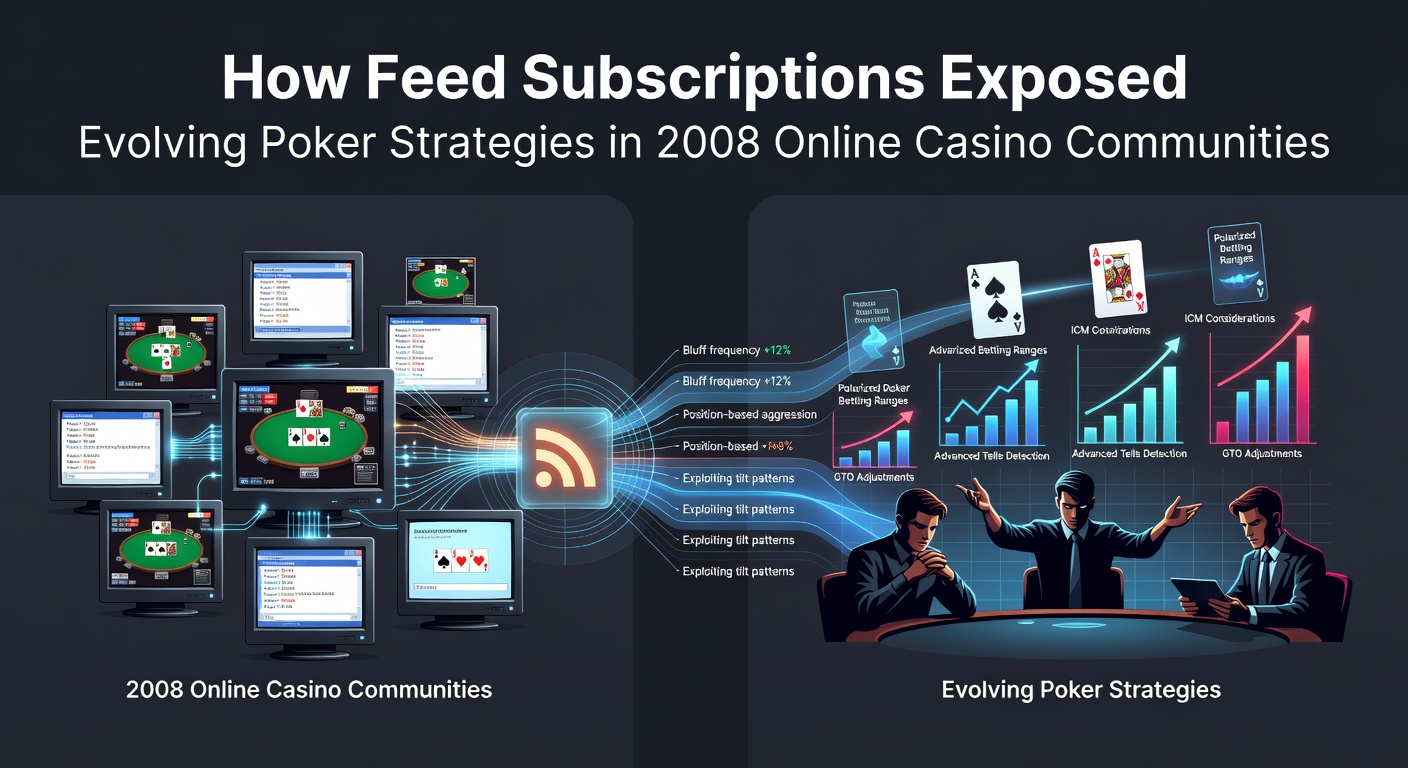
Online poker communities in 2008 relied heavily on feed subscriptions to track discussions across multiple forums and strategy sites, and this setup quickly revealed how tactics evolved in real time. Players subscribed to RSS and Atom feeds that pulled updates from poker blogs, hand history archives, and casino community threads, which allowed observers to monitor shifts in betting patterns, bluff frequencies, and position-based adjustments as they emerged. Data from that period shows these subscriptions accelerated the spread of information beyond closed groups, turning isolated experiments into widely adopted approaches within weeks rather than months.
Early Adoption of Feed Technology in Casino Forums
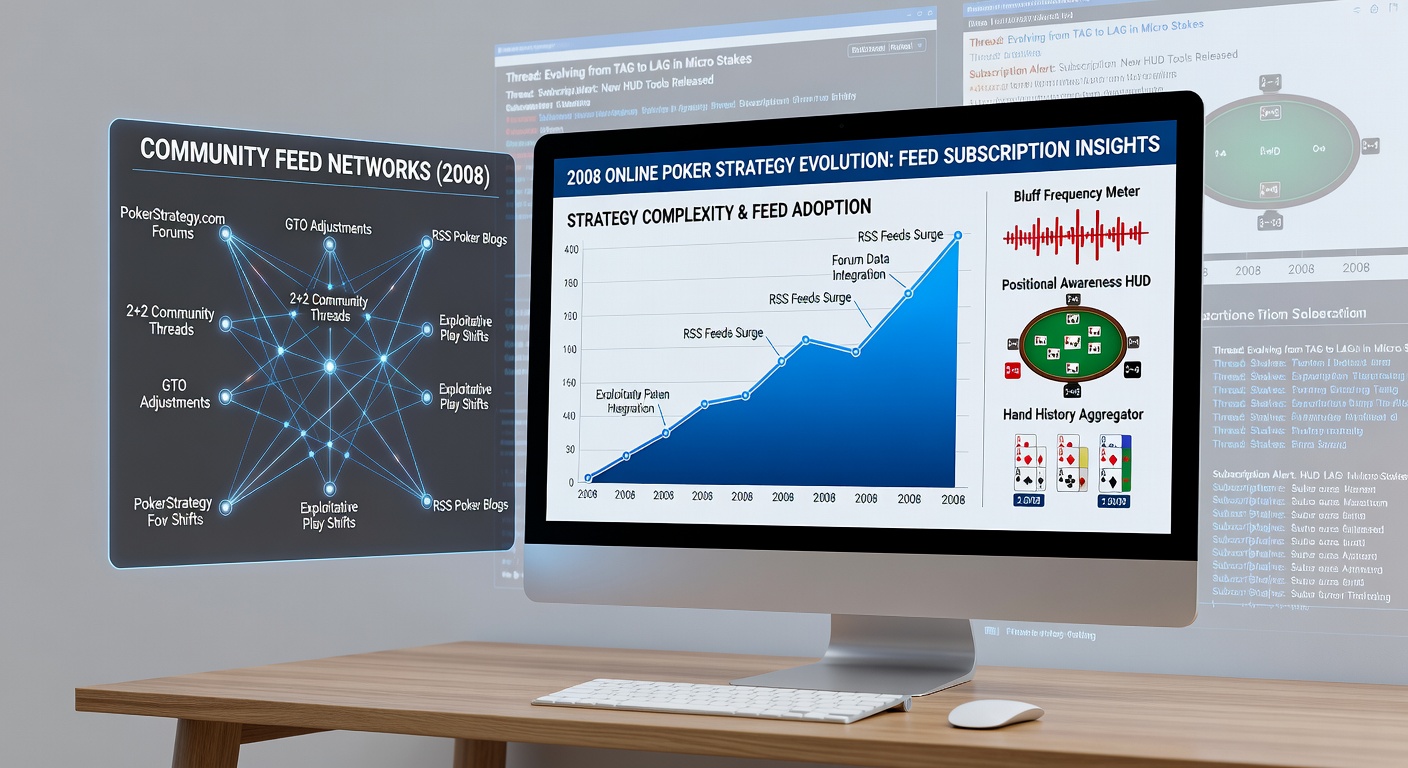
Forum administrators began integrating feed capabilities in late 2007, and by early 2008 many major poker discussion boards offered subscription options for specific categories such as cash game analysis or tournament hand breakdowns. Subscribers received notifications whenever new threads appeared or existing ones received updates, which created a steady flow of data points on strategy refinements. Researchers at institutions like the University of Nevada Las Vegas later examined these patterns and noted that feed users adapted faster to emerging counter-strategies than non-subscribers who relied on manual browsing.
Communities focused on sites like PokerStars and Full Tilt Poker saw the most activity, where players posted detailed hand histories that feeds distributed instantly. One case involved a group tracking continuation bet frequencies on dry boards, and within days multiple threads documented adjustments after opponents started raising those bets more often. The rapid feedback loop exposed how certain lines lost value once they became common knowledge.
Strategy Patterns Captured Through Subscription Data
Archived feed records from 2008 illustrate clear progression in several core areas. Preflop raising ranges tightened in many cash game discussions after subscribers shared data showing higher fold equity when stacks reached 100 big blinds. Postflop play shifted toward smaller bet sizes on flops, a change documented across hundreds of threads as players tested and reported results in subscribed channels. Tournament strategy evolved separately, with feeds highlighting increased three-bet shoving ranges near bubble stages as more participants adopted the tactic.
What's interesting is how these patterns clustered around specific times of day when feed activity peaked, usually evenings in North American time zones. Observers tracking the data found that European players often introduced variations first, and North American users adopted them after feeds carried the discussions across regions. This geographic spread became measurable because subscription logs timestamped when certain strategy posts gained traction.
Community Reactions and Counter-Adaptations
Once feeds exposed a new line or adjustment, counter-strategies appeared in subsequent updates within the same subscription streams. Players who monitored multiple feeds simultaneously noticed when one community's innovation reached another group, prompting immediate responses such as increased check-raise frequencies or altered river calling ranges. Industry reports from the Canadian Gaming Association indicate that online traffic volumes rose during periods when these exchanges intensified, suggesting heightened engagement driven by the visible evolution of tactics.
Take one documented thread series where a small-stakes regular introduced delayed continuation bets on coordinated boards. Feed subscribers in higher-stakes sections quickly tested the approach, reported outcomes, and refined it further before the original poster had time to expand on the concept. The ball stayed in motion because each update triggered new subscriptions and cross-references.
Long-Term Effects on Player Development
By mid-2008 the cumulative effect of feed subscriptions meant that core strategies reached saturation faster than in previous years. New players entering communities encountered archives that already contained layered discussions on topics like blocker betting and range construction, reducing the time needed to reach intermediate skill levels. Figures from academic reviews of digital gambling habits show participation in strategy forums increased steadily through 2008, coinciding with broader availability of feed tools.
Those who've studied the period note that the transparency created by subscriptions also encouraged more rigorous record-keeping among serious players. Hand histories posted for feed distribution often included equity calculations and alternative line analysis, which raised the overall quality of shared information. This environment rewarded participants who could process updates quickly and apply changes before the next wave of counter-adjustments arrived.
Conclusion
Feed subscriptions in 2008 online casino communities functioned as an information network that documented and accelerated changes in poker strategy. The combination of timestamped updates, cross-forum distribution, and rapid community response created a measurable record of how tactics shifted under collective scrutiny. Data collected during that time continues to inform later analyses of how technology influences skill development in competitive card games.