How Subscription Systems Deliver Sports Betting Insights on WordPress Platforms

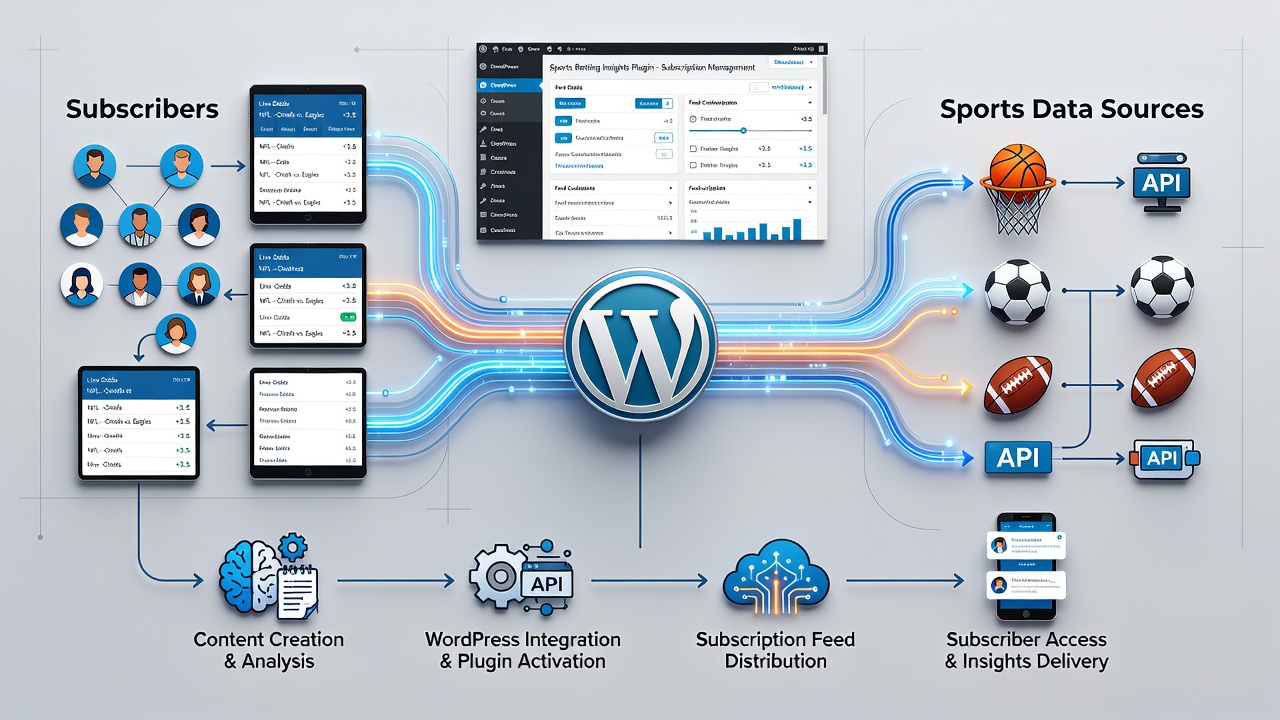
WordPress platforms manage the distribution of sports betting insights through structured subscription feeds that combine content management tools with automated delivery mechanisms, and these systems allow site operators to control access while reaching audiences who seek regular updates on odds movements along with analysis from various leagues. Operators configure plugins such as MemberPress or Paid Memberships Pro to gate premium articles behind payment walls, after which the platform generates unique RSS endpoints that authenticated subscribers can access through feed readers or dedicated apps.
Technical implementation starts with database queries that pull scheduled posts tagged for subscription tiers, and these queries run at set intervals to populate XML or JSON feeds that update without manual intervention. Site administrators set permissions so that free users see teaser excerpts while paid members receive full breakdowns, including statistical models and historical performance data from events across major sports calendars.
Core Components of Feed Architecture
WordPress core handles post storage while additional layers manage authentication tokens that verify subscriber status before serving feed content, and this separation keeps the public site visible yet restricts detailed betting insights to verified accounts. Developers often integrate custom post types for betting-specific entries such as match previews or line movement alerts, which then feed into dynamic RSS structures that support enclosures for audio commentary or data visualizations.
Security protocols include encrypted token exchanges and rate limiting on feed requests, measures that prevent unauthorized scraping while complying with data protection standards observed in multiple jurisdictions. According to reports from the Australian Communications and Media Authority, platforms distributing gambling-related content must maintain logs of subscriber access to demonstrate adherence to responsible service guidelines.
Automation and Delivery Workflows
Automated scripts trigger content pushes at peak times such as pre-match windows, and these scripts rely on WordPress cron jobs combined with external services like Zapier to notify subscribers via email summaries that link back to the full feed items. Observers note that many operators schedule these deliveries to coincide with major tournaments, ensuring insights reach users when market activity intensifies.
Feed formats extend beyond basic RSS to include JSON feeds that integrate smoothly with mobile applications, allowing developers to pull real-time updates on team news or injury reports without reloading entire pages. Data shows that sites using these hybrid approaches experience higher retention rates among users who prefer consuming analysis on multiple devices throughout a betting season.
Integration Challenges and Solutions
Compatibility issues arise when third-party odds providers update their APIs, forcing site maintainers to adjust query parameters within WordPress plugins so that feed content remains accurate. Research from the University of Nevada's gaming studies program indicates that consistent data synchronization reduces subscriber churn by aligning published insights with live market conditions across international betting exchanges.
Payment gateway connections through services like Stripe handle recurring billing cycles, adn these connections feed user status back into WordPress user roles that determine feed visibility. Administrators monitor metrics such as open rates and click-throughs to refine delivery schedules, adjusting frequency based on patterns observed during high-volume periods like playoff runs.
Regulatory Considerations in Content Distribution
Operators must navigate varying rules on promotional content, and platforms in regions governed by the Malta Gaming Authority incorporate geo-blocking features that restrict feed access according to user location data collected during signup. This approach helps maintain compliance while still allowing global audiences to subscribe where local laws permit such services.
Content moderation tools built into WordPress allow review queues for user-generated comments attached to feed items, reducing exposure to unverified claims that could affect platform credibility. Figures from industry associations reveal that sites investing in these moderation layers report fewer compliance incidents over multi-year tracking periods.
Future Developments Around June 2026
By June 2026, updates to WordPress core are expected to introduce native support for encrypted feed subscriptions, reducing reliance on external plugins for basic authentication tasks. Early testing by developer communities shows these changes could streamline setup for smaller operators who focus on niche sports markets such as tennis or esports.
Expanded API capabilities will also allow tighter integration with analytics suites that track engagement across feeds, providing operators with clearer views of which insight categories drive the most sustained interest among paid users. Those who've studied these shifts anticipate smoother scaling for platforms handling growing subscriber bases without proportional increases in server load.
Conclusion
The mechanics of subscription feed distribution on WordPress combine established content tools with targeted automation to deliver sports betting insights efficiently, and ongoing refinements in security along with regulatory alignment continue to shape how these systems operate across different markets. Platforms that maintain accurate data flows and responsive delivery schedules position themselves to serve audiences seeking timely analysis while meeting operational standards.