Payment Gateway Adaptations in Online Betting During System Migrations
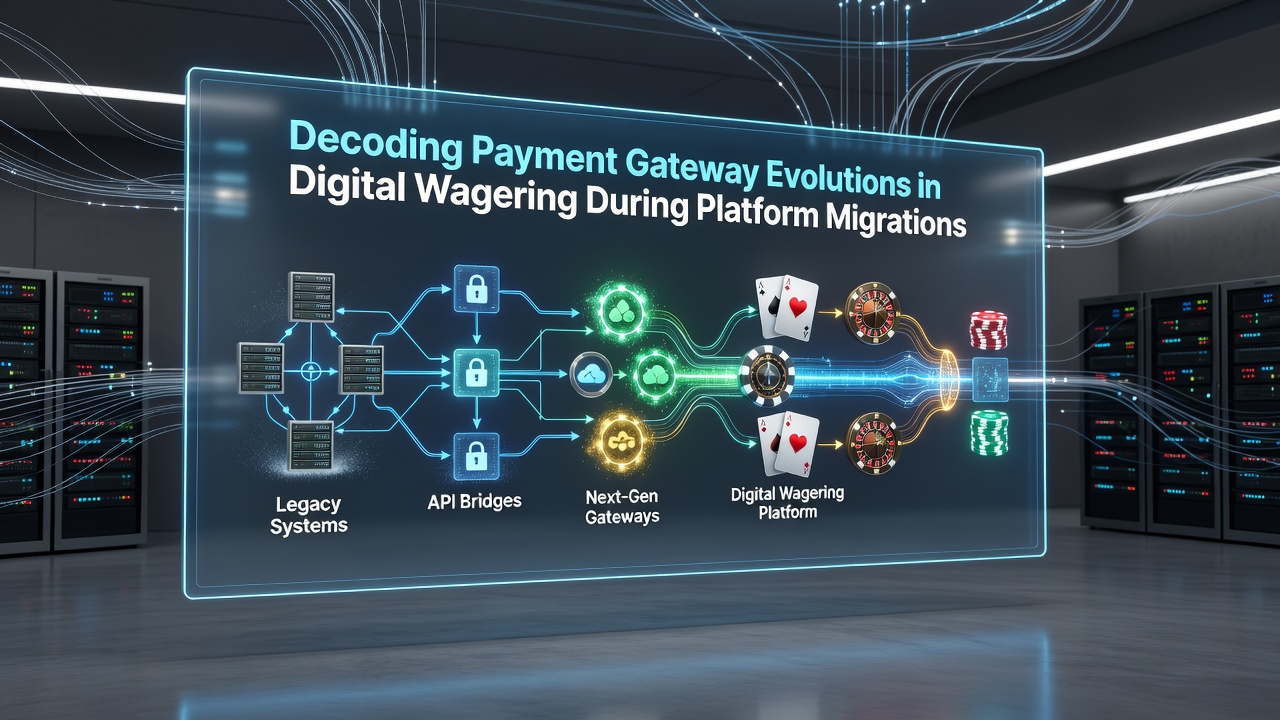
Digital wagering platforms undergo migrations that demand updates to payment gateways, and these changes reflect broader shifts in transaction processing, security protocols, and regulatory alignment across multiple jurisdictions. Operators coordinate these transitions to preserve service continuity while integrating newer technologies that handle higher volumes of microtransactions and cross-border payments.
Core Drivers Behind Gateway Updates
Migrations often stem from needs to replace legacy infrastructure with cloud-based solutions that scale more effectively, yet payment systems must align with these upgrades without disrupting fund transfers or compliance checks. Data from industry reports shows that transaction failure rates drop significantly after successful gateway modernizations, and operators achieve this through phased rollouts that test API compatibility in controlled environments. Regulatory bodies in regions like Nevada and Ontario require documentation of these changes to ensure ongoing adherence to financial reporting standards.
What's interesting is how platform migrations coincide with the adoption of tokenization methods that replace sensitive card details with unique identifiers, and this approach reduces exposure during data transfers. Researchers at academic institutions have documented cases where such implementations cut fraud incidents by measurable percentages during transition periods.
Technical Shifts in Processing Methods
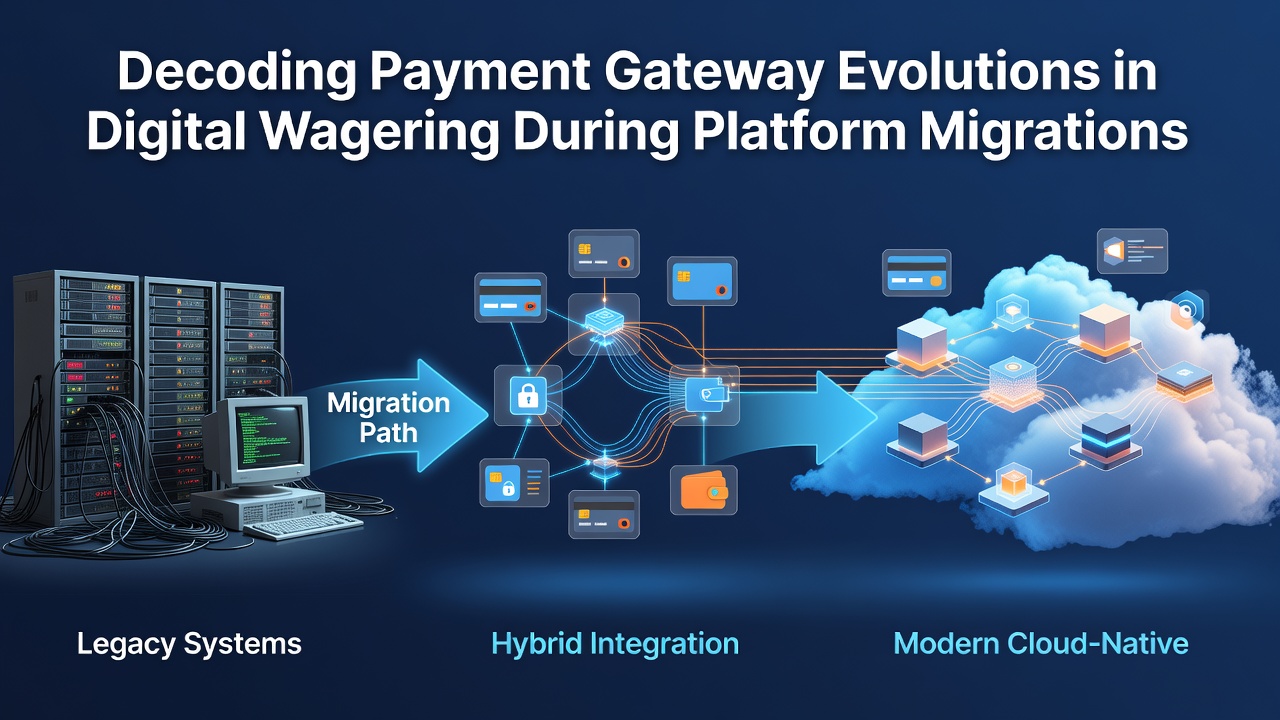
Older gateway architectures relied on direct bank connections that proved rigid during migrations, whereas contemporary versions incorporate modular designs that support rapid swaps between providers. Operators frequently encounter challenges with real-time reconciliation when moving data between systems, and solutions involve synchronized ledgers that update across both old and new platforms simultaneously. Studies indicate that these synchronized processes help maintain accuracy for high-frequency betting activities.
One operator completed a full migration in early 2025 and integrated additional layers for cryptocurrency handling alongside traditional rails, which allowed seamless support for multiple asset types without separate infrastructure branches. Such adaptations reflect responses to user preferences documented in transaction logs from various markets.
Regulatory Alignment During Transitions
Payment gateway evolutions must satisfy requirements set by authorities in different areas, and experts reference guidelines from the Malta Gaming Authority alongside reports from the Australian Communications and Media Authority when planning cross-jurisdictional moves. These frameworks emphasize audit trails that track every transaction step, and migrations provide opportunities to embed enhanced logging features that exceed previous capabilities. Compliance teams review these elements before final approvals.
Figures from the European Gaming and Betting Association reveal steady increases in digital payment adoption rates through 2025, and this trend continues into subsequent periods as platforms standardize on unified interfaces. Observers note that such standardization simplifies audits while supporting faster settlement cycles for winnings.
Operational Impacts and User Continuity
Platform migrations affect how users deposit and withdraw funds, and successful cases demonstrate minimal downtime through parallel gateway operations that run concurrently for a defined window. Teams monitor metrics like authorization times and error logs throughout this phase, then optimize based on observed patterns. Data shows that clear communication about temporary limits during these windows helps sustain user engagement levels.
Those who manage these projects often incorporate fallback mechanisms that revert to prior gateways if anomalies arise, and this redundancy proves essential when handling peak betting periods. Research indicates consistent improvements in overall system resilience after such comprehensive updates.
Developments Anticipated Around June 2026
By June 2026, further integrations of artificial intelligence for fraud detection within payment flows are projected to become standard during migrations, and this builds on existing pattern recognition tools already in use. Regulatory updates expected in several markets will likely require additional verification steps that gateways must accommodate through flexible configuration options. Industry analyses suggest these enhancements will align with growing transaction complexities in live wagering formats.
Conclusion
Payment gateway adaptations during digital wagering platform migrations represent coordinated efforts across technical, regulatory, and operational domains, and evidence from completed projects highlights measurable gains in efficiency and security. Continued monitoring of these processes provides insights into evolving transaction landscapes as platforms advance their infrastructures.