Policy Evolutions Reshaping Online Betting Markets Globally
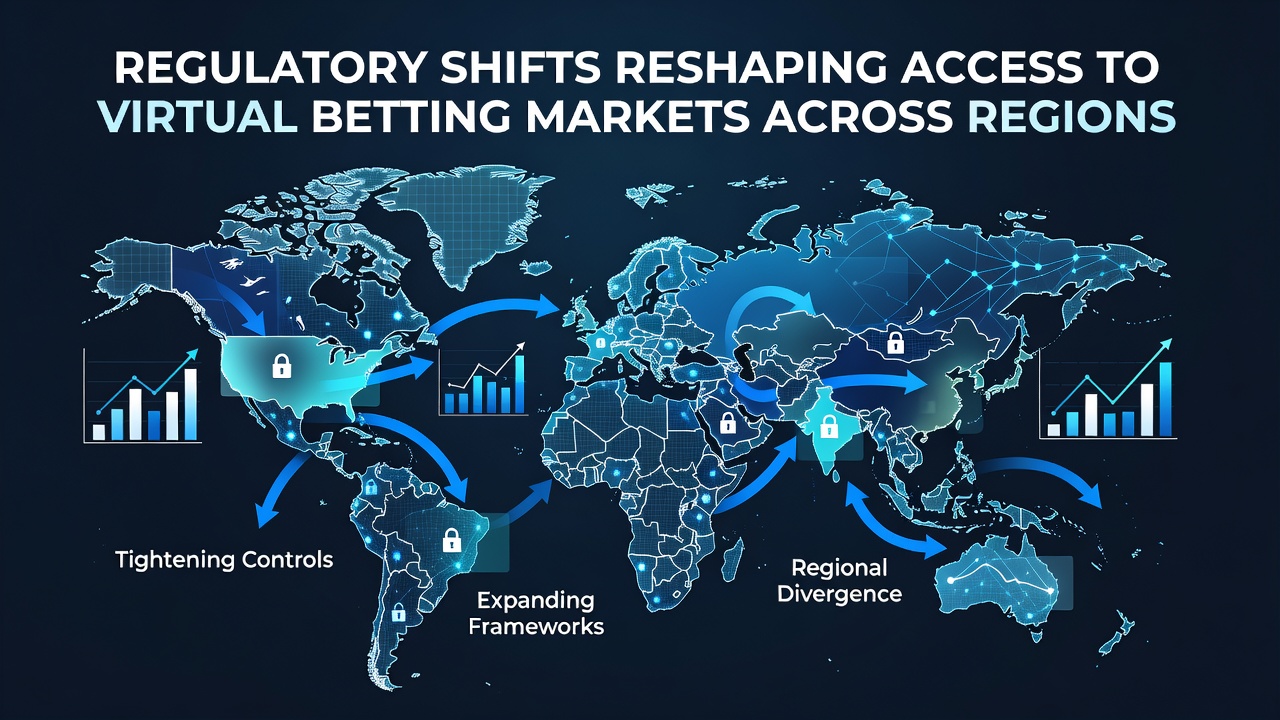
Regulatory frameworks governing virtual betting continue to evolve rapidly, with governments and oversight bodies adjusting rules that determine how users gain entry to these markets. Data from industry reports shows that modifications in licensing requirements, age verification protocols, and payment restrictions have altered participation levels in several jurisdictions since early 2025, and further adjustments are slated for rollout in July 2026.
North American Adjustments and Their Reach
Canadian provinces have tightened standards around operator approvals while expanding options for licensed platforms in select areas. Ontario's regulatory structure, managed through the Alcohol and Gaming Commission of Ontario, now mandates stricter data localization rules that require operators to store user information within national borders. These steps followed reviews indicating that cross-border data flows posed compliance challenges for local enforcement teams. Meanwhile, several U.S. states have introduced updated compact agreements that synchronize tax reporting across borders, allowing operators with multi-state licenses to streamline submissions rather than file separate returns in each jurisdiction.
European and Asian Developments
Within the European Union, the Malta Gaming Authority has revised its remote gaming directives to incorporate enhanced responsible gambling tools, including mandatory session limits that operators must enforce through software updates. Observers note that these changes align with broader efforts to harmonize standards across member states, though implementation timelines vary by country. In Asia, Singapore's regulatory body has expanded its whitelist of permitted offshore sites while maintaining blocks on unlicensed offerings, a move that data indicates has redirected traffic toward compliant operators. Japan's ongoing review of integrated resort legislation includes provisions for virtual betting components, with draft rules expected to clarify operator eligibility criteria by mid-2026.

Australian and Emerging Market Trends
Australia's National Consumer Protection Framework for Online Wagering has introduced new verification timelines that shorten the window for account activation, requiring operators to complete identity checks within 24 hours of registration. Figures from the Australian Communications and Media Authority reveal that these adjustments coincided with a measurable decline in unverified accounts across major platforms. In Latin America, Brazil's federal gaming legislation passed in late 2025 established a centralized licensing portal that consolidates applications previously handled at state levels, creating a single point of entry for operators seeking national approval. Research from academic institutions tracking these markets shows that centralized systems have accelerated processing times while increasing scrutiny on financial solvency requirements.
Technology Integration and Compliance Tools
Many regulators now require blockchain-based audit trails for transaction records, a specification that forces platforms to upgrade their backend systems. Those who've implemented such tools report smoother interactions during compliance audits, since immutable logs reduce the need for manual reconciliations. Payment processor restrictions have also shifted in several regions, with directives limiting the use of certain cryptocurrency gateways unless they meet specific licensing thresholds. This has prompted operators to partner with traditional financial institutions that already satisfy anti-money laundering criteria, resulting in hybrid payment ecosystems that blend established banking rails with newer digital options.
Impact on User Access Patterns
Access barriers have risen in markets where geoblocking enforcement has strengthened through partnerships between regulators and internet service providers. Yet in jurisdictions that have liberalized cross-border play under mutual recognition agreements, users encounter fewer restrictions when connecting from approved locations. Studies conducted by university research groups indicate that these dual trends have produced uneven participation rates, with growth concentrated in regions offering clearer licensing pathways and contraction in areas marked by heightened enforcement actions.
Conclusion
Shifts in regulatory approaches continue to define the contours of virtual betting availability, with each region's policy decisions influencing operator strategies and user pathways. As July 2026 approaches, additional updates in licensing, verification, and technology mandates are positioned to further modify market dynamics across continents.