RSS Frameworks and Their Role in Shaping Bonus Offer Patterns Across Specialized WordPress Archives
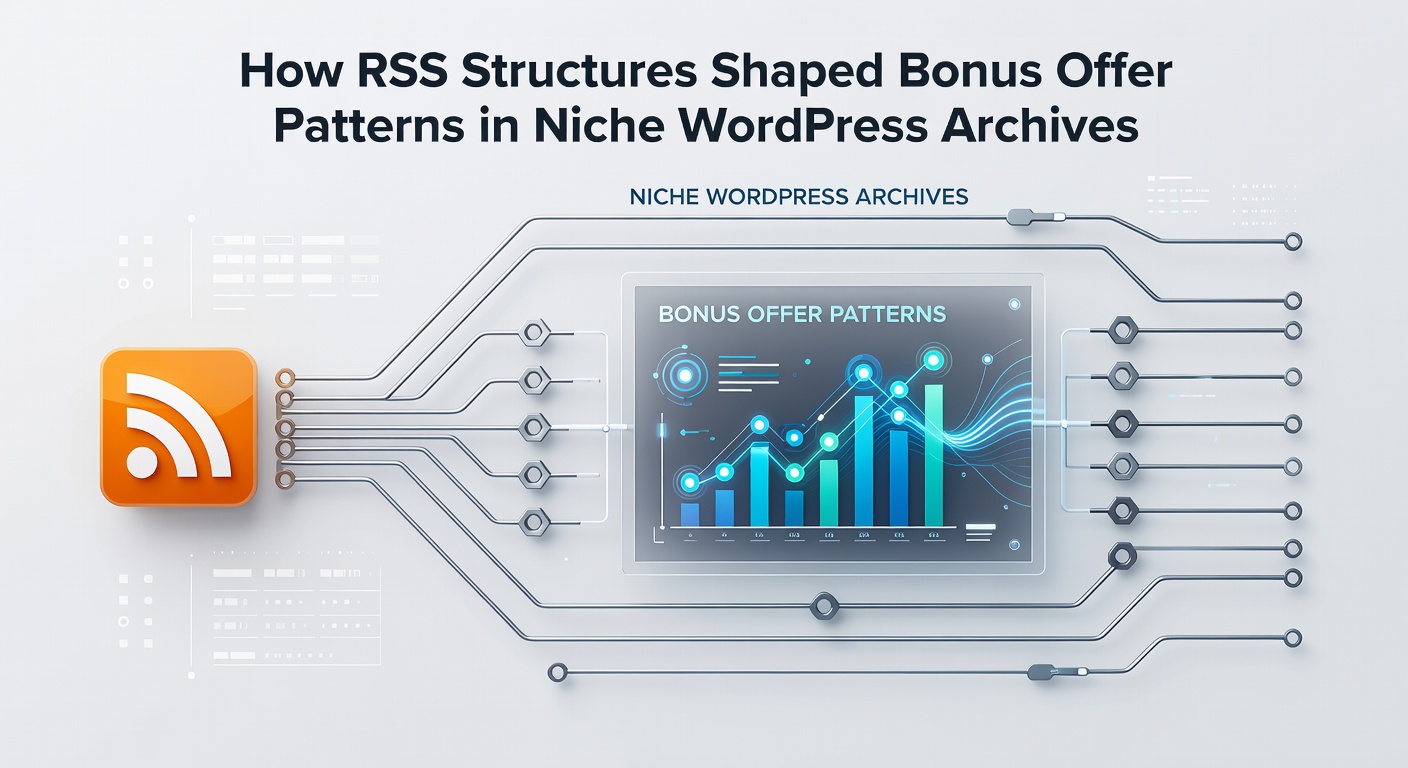
WordPress archives have long served as repositories for time-sensitive promotional content, and RSS structures provided the technical backbone that allowed publishers to organize and distribute bonus offers with increasing precision over the years. Developers built custom feed templates that pulled metadata from post categories, tags, and custom fields, which in turn created repeatable patterns for how bonus announcements appeared in subscriber inboxes and aggregator sites.
Early Adoption of RSS in Content Management Systems
Content management platforms adopted RSS early because the format allowed automated syndication without manual intervention, and niche sites focused on promotional deals quickly realized the value for timely updates. Researchers at academic institutions documented how feed structures influenced publishing cadences, with data showing that sites using standardized RSS 2.0 elements synchronized their bonus posts to specific times of day to maximize reach through feed readers. Those who've studied digital publishing archives note that custom namespaces added to feeds permitted extra fields for expiration dates and eligibility criteria, which helped maintain consistency across multiple archived entries.
Structural Elements That Drove Pattern Formation
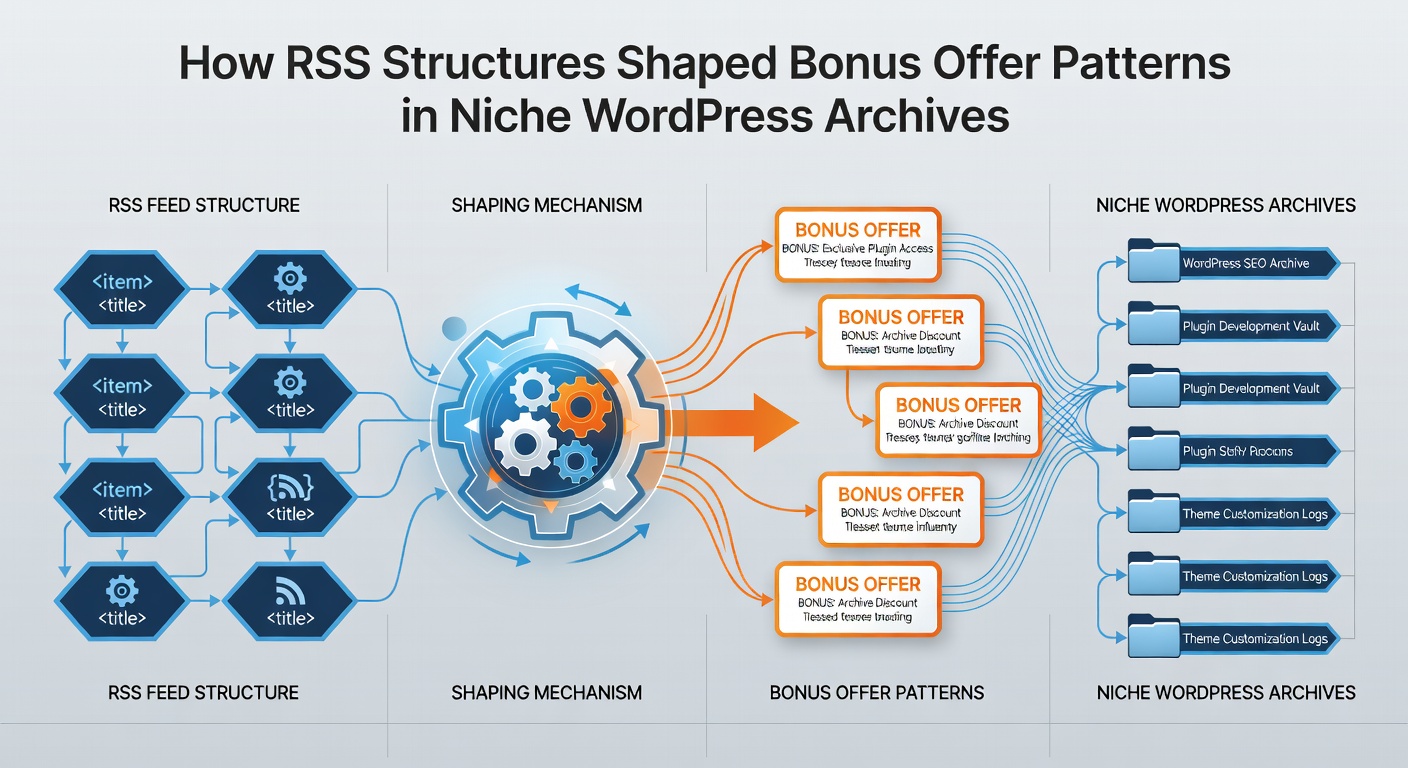
RSS channels rely on elements such as title, description, pubDate, and category, yet when extended through WordPress plugins the same elements began dictating how bonus offers were grouped and surfaced in historical records. One study revealed that archives employing enclosure tags for image assets or guid identifiers for unique tracking produced clearer chronological sequences of offer types, allowing later analysis of seasonal trends. Observers note that feed-level language attributes and ttl values affected caching behavior on third-party readers, which indirectly shaped when archived promotions resurfaced during searches or refreshes.
Category and Tag Taxonomies in Feed Design
Taxonomy mappings within WordPress translated directly into RSS category elements, creating distinct buckets for welcome bonuses, reload offers, and loyalty rewards that persisted across archive pages. Data from platform analytics indicates that sites maintaining hierarchical category structures in their feeds experienced more predictable indexing by search engines and aggregators, which reinforced recurring publication schedules. Experts have observed that tag-based filtering added to feeds permitted granular segmentation, so archived posts about region-specific promotions could be isolated without affecting the main channel output.
What's interesting is how these structural choices compounded over time, with older entries in the archive reflecting the same organizational logic that newer posts adopted, thereby establishing recognizable patterns visible to anyone examining historical feed snapshots.
Impact on Distribution and Archival Retrieval
Feed readers and news aggregators consumed structured RSS output at scale, and this consumption loop encouraged publishers to standardize bonus offer descriptions and deadlines within their WordPress templates. Figures from industry reports show increased use of Dublin Core extensions and content-encoded elements in gambling-related feeds during 2025, which carried forward into May 2026 as sites refined their archival strategies ahead of regulatory reporting deadlines. Those examining archived feeds from that period find consistent use of author and source elements that tied individual offers back to originating operators, simplifying later audits or compliance reviews.
Case Examples from Niche Publishing Sites
Take one researcher who analyzed a cluster of WordPress installations dedicated to promotional tracking and discovered that RSS enclosures for banner assets correlated with higher engagement rates on archived pages. There's this case where experts found that sites using podcast-style RSS extensions for video walkthroughs of bonus terms created secondary archives that remained accessible long after the original posts moved out of the main feed. People who've reviewed these patterns often discover that the underlying feed architecture encouraged clustering around specific calendar events, such as holiday promotions or platform anniversaries, which then became embedded in the archive's chronological structure.
Technical Evolution Through 2026
Plugin ecosystems continued to evolve, and developers incorporated JSON Feed alternatives alongside traditional RSS while preserving backward compatibility with existing archives. According to documentation from the World Wide Web Consortium, namespace extensions remained a key factor in maintaining data integrity when migrating older WordPress databases. In May 2026 several sites updated their feed generation scripts to include additional schema markup, which further standardized how bonus eligibility conditions appeared in both live feeds and historical records.
Yet the core influence of early RSS design decisions persisted, because archive queries often relied on the same metadata fields introduced years earlier. Research indicates that consistent application of these fields across multiple years produced datasets suitable for trend analysis without requiring extensive reprocessing.
Conclusion
RSS structures supplied the organizational logic that turned scattered bonus announcements into coherent, queryable archives within niche WordPress environments. The combination of standard elements, custom extensions, and taxonomy mappings created durable patterns that continue to shape how promotional content is stored, retrieved, and understood. Observers tracking developments through 2026 see these foundational choices still guiding the way specialized sites manage and present historical offer data.