WordPress Taxonomy Approaches for Blending Sports Betting Updates With Archived Bonus Records
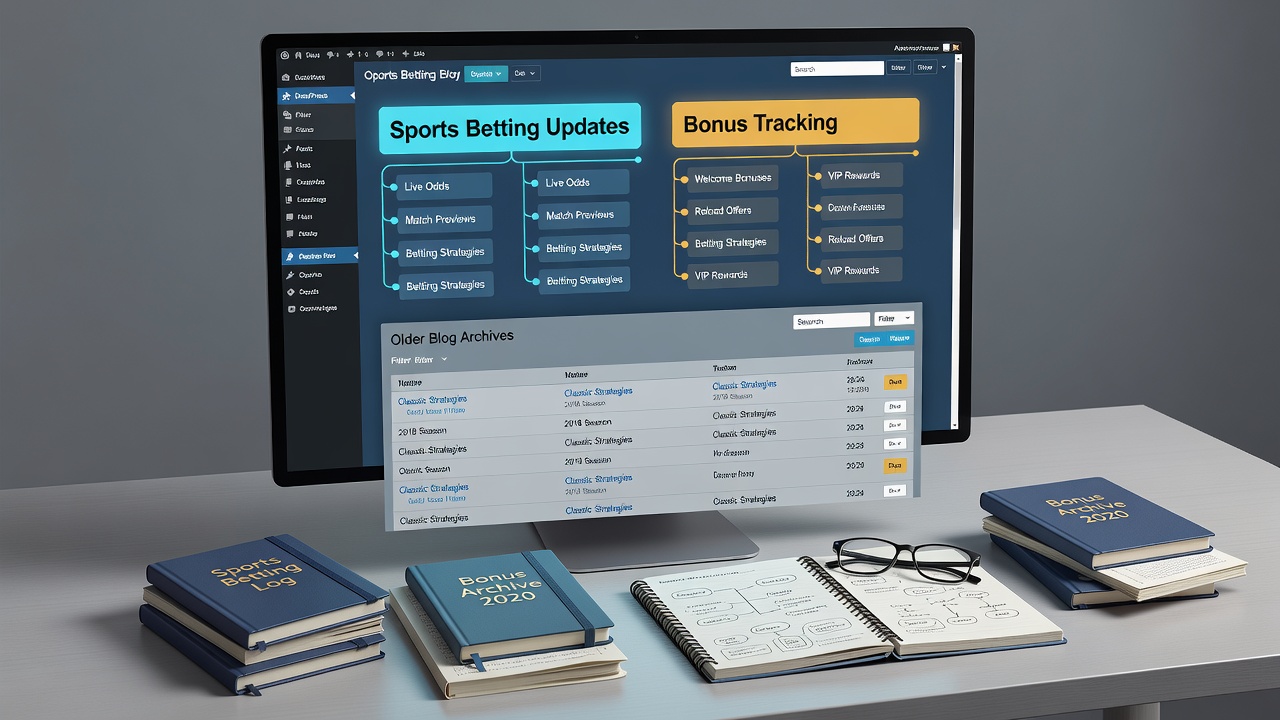 Site administrators managing gambling-related blogs often face the challenge of keeping fresh sports betting updates visible while preserving access to older bonus tracking posts from past years. Effective category systems help maintain this balance without creating confusion for visitors or search engines. Data from content management studies indicate that clear taxonomies improve navigation and reduce bounce rates on sites with mixed temporal content. Planning begins with an assessment of existing posts. Administrators review archives to identify patterns such as recurring sports leagues, bonus types like deposit matches or free spins, and update frequencies. This analysis reveals opportunities for parent categories that group broad topics while child categories handle specifics. For instance, a parent category labeled "Sports Betting Updates" can contain children for individual sports or events, whereas "Bonus Tracking Archives" serves as another parent with children sorted by year or promotion style.
Establishing Parent and Child Relationships
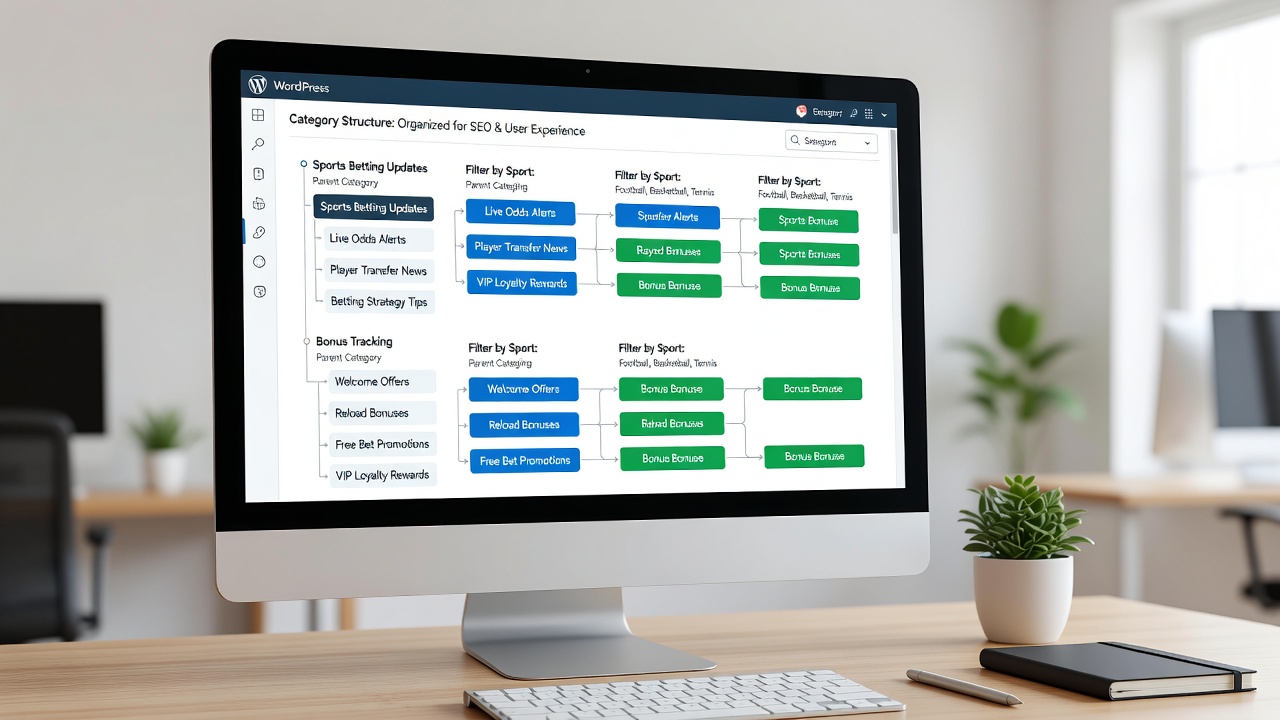
WordPress supports hierarchical categories that allow nesting, which proves useful when separating current information from historical records. One approach involves creating top-level categories for major themes and then adding subcategories that reflect time periods or content subtypes. Observers note that this structure prevents newer posts from overwhelming legacy material in search results or archive pages.
Implementation starts in the WordPress dashboard under Posts then Categories. Users enter the parent name first, save it, and then create child entries while selecting the appropriate parent from the dropdown. This method ensures older bonus-related posts remain grouped logically even as new betting updates appear daily. Research on site organization shows that consistent hierarchies help both human readers and indexing algorithms locate related content across different publication dates.
Integrating Tags for Additional Flexibility
Categories provide the main structure, yet tags offer supplementary organization without forcing strict hierarchies. Administrators apply tags such as specific bookmaker names, odds movements, or bonus expiration details to posts that span multiple categories. This dual system allows content from July 2026, for example, to appear under both a current events parent and a year-specific archive child when needed.
Figures from digital publishing reports reveal that sites combining categories with tags experience better internal linking opportunities. Editors can create tag clouds or dedicated tag archive pages that surface bonus tracking entries alongside related betting updates, maintaining discoverability for older material without disrupting the flow of fresh publications.
Handling Legacy Content Migration
Older blog archives often contain posts created before current category schemes existed. Migration involves bulk editing tools or plugins that assign new categories to groups of posts based on publication date or keyword matches. Those who have performed such updates report that testing the structure on a staging site first prevents unintended changes to live content.
Custom taxonomies present another option when standard categories prove insufficient. Developers register additional taxonomies through theme functions or dedicated plugins to create separate classification systems for bonus tracking that operate independently from sports betting categories. This separation keeps historical records accessible through their own menu or widget while new updates flow through primary navigation paths.
Monitoring Performance After Implementation
After categories are established, administrators track metrics such as page views per archive section and time spent on category pages. Tools built into WordPress or connected analytics platforms provide this data. Adjustments follow when certain child categories receive low traffic, perhaps by merging similar subtopics or refining naming conventions.
Industry reports from organizations like the Canadian Gaming Association highlight how organized content structures support regulatory compliance by making historical promotional material easy to retrieve during audits. Similar benefits appear in studies conducted through academic sources such as those published by National Institutes of Health research portals, which note improved information retrieval in structured digital archives across various sectors.
Conclusion
Structured category systems in WordPress enable sites to manage ongoing sports betting updates without losing visibility of older bonus tracking archives. The combination of hierarchical categories, strategic tagging, and occasional custom taxonomies creates pathways that serve both current readers and those seeking historical context. Regular reviews keep the system aligned with evolving content volumes and external requirements as publishing continues into future periods like July 2026 and beyond.